The Definitive Guide to Internet Radio Hosting: Launch Your Personal Station Today
The landscape of internet radio provides remarkable prospects for aspiring broadcasters. This guide offers insights into the vital components of building a successful station. From choosing the appropriate software to connecting with listeners, every element is important. Comprehending these factors can distinguish a fleeting hobby and a thriving platform. As the field continues to grow, what steps can one take to make their station stand apart? The solutions are found here.
Internet Radio Explained: An Overview and Key Benefits
Internet radio has reshaped the landscape of audio broadcasting by offering a platform that supports diverse voices and content. In contrast to traditional radio, which frequently faces geographic limitations and regulatory frameworks, internet radio enables anyone with an internet connection to broadcast their ideas, music, and stories worldwide. This ease of access cultivates a dynamic community of creators and listeners, giving rise to a diverse array of niche genres and formats.
The advantages of internet radio go beyond diversity. It provides programming flexibility, allowing hosts to craft content designed for particular audiences. Moreover, the lack of expensive licensing fees linked to conventional broadcasting can render it a more practical choice for emerging broadcasters. Internet radio also supports interactivity, allowing listeners to engage with hosts in real-time. At its core, this medium not only broadens access to broadcasting but also elevates the audio landscape, making it an attractive choice for creators and audiences alike.
Picking Software for Your Internet Radio Station
Selecting the ideal software can considerably affect the effectiveness of an online radio station. Numerous options are available, each suited to varying needs and budgets. Radio hosts must assess intuitive interfaces that facilitate seamless operation and management. Software that accommodates live streaming, automated playlists, and scheduling can enhance listener engagement and sustain a reliable broadcast schedule.
Additionally, compatibility with various audio formats and streaming protocols is essential for reaching a wider audience. Some platforms offer built-in analytics tools, offering important information about audience demographics and listening habits, which can shape future programming strategies.
Cost also serves as a key consideration; some software solutions are free, while others demand a recurring fee. Ultimately, selecting the most suitable software involves balancing capabilities, user-friendliness, and cost considerations, ensuring that the station can operate efficiently and effectively while delivering quality content to its audience.
Picking the Ideal Equipment for Internet Radio
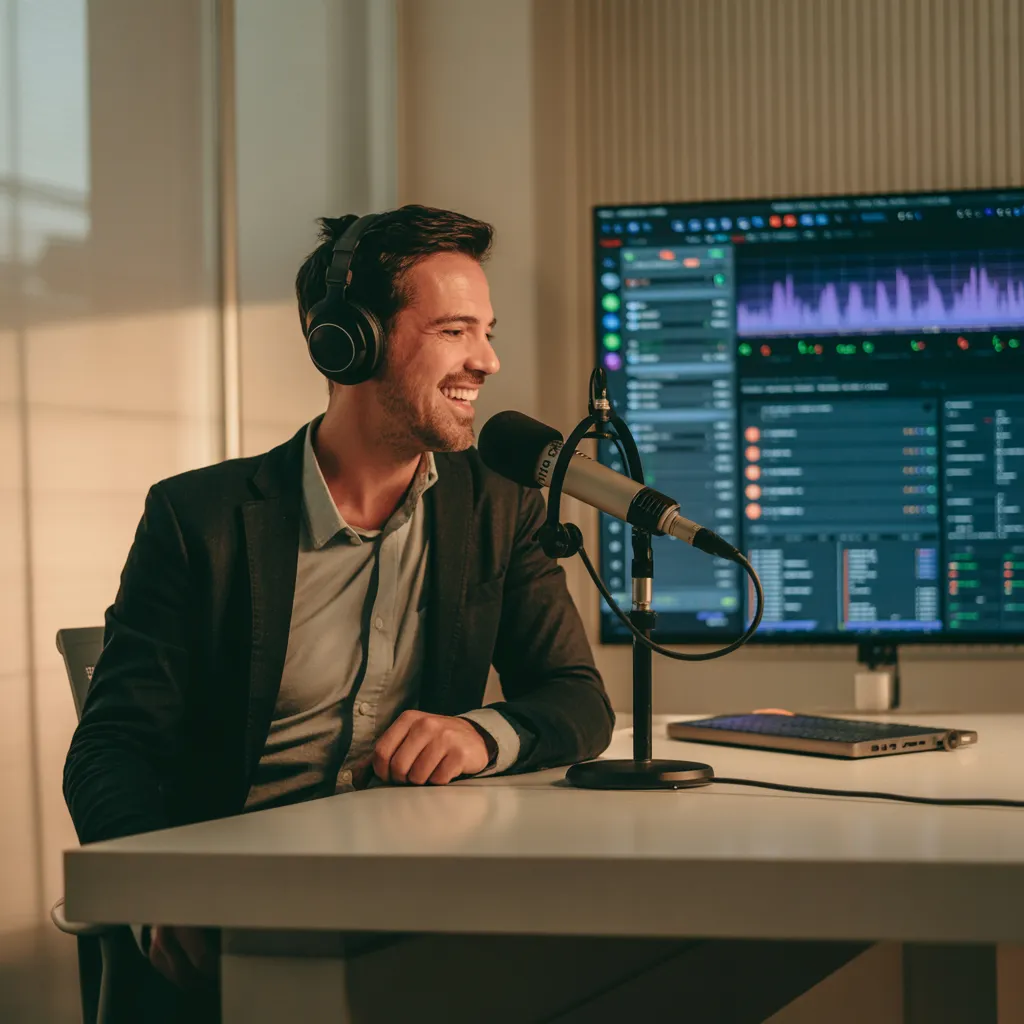
Choosing the correct gear is essential for building a high-quality internet radio station. Key components include a high-quality microphone, audio interface, and headphones. A quality microphone, such as a condenser mic, picks up sound with clarity, while an audio interface transforms analog signals to digital. This guarantees superior sound quality for streaming.
Headphones serve as important for audio monitoring without feedback. Closed-back headphones are favored to prevent audio bleed during on-air broadcasts. Moreover, a reliable broadcast mixer can seamlessly handle several audio sources seamlessly.
Acquiring a high-quality computer with sufficient processing power and RAM is also critical, as it facilitates broadcasting software and sound processing operations.
Finally, integrating a acoustic treatment measure for the recording space can substantially improve recording quality. By strategically picking each piece of equipment, content creators can craft a polished and engaging audio experience, laying the groundwork for a prosperous web-based radio station.
Crafting Engaging Content: Deciding Between Music, Talk, or Storytelling
What elements make content truly compelling for listeners? The decision between music, discussion, or storytelling notably shapes listener involvement. Music has the ability to stir emotions and foster a collective experience, attracting audiences through carefully selected playlists or live performances. Discussion-based shows, alternatively, nurture bonds through dialogues on current happenings, interviews, and personal accounts, attracting audiences in search of insight and connection.
Storytelling engages through narratives that connect with human emotions, compelling listeners to care about the emerging narrative. Each format requires a unique approach; music requires deliberate choices and natural rhythm, spoken word calls for dynamic exchanges and broad perspectives, whereas storytelling flourishes through rich imagery and authentic characters.
Ultimately, the choice rests on the intended audience's preferences and the station's brand. Striking the right balance between these components can create a vibrant listening environment that draws audiences back time after time, elevating the radio station's overall appeal.
How to Get Noticed and Build Your Audience
Successful audience development methods are vital for all web-based radio broadcasts looking to grow their listenership. A core strategy involves utilizing social media channels to generate excitement and draw in new listeners. Through posting compelling material, including show previews or exclusive behind-the-scenes footage, stations can spark curiosity and motivate sharing among prospective listeners.
Additionally, partnering with content influencers or fellow content creators can bring the station to the attention of new demographics. Collaborative promotions, where both parties benefit, can significantly boost overall visibility.
Email marketing serves as another powerful resource; consistent newsletters can keep important guide listeners updated on upcoming shows or special events. Engaging in online forums and communities related to the station's niche can also help cultivate a loyal listener base.
Additionally ensuring the station appears on popular directories and apps enhances visibility, allowing new audiences to find it easily. Combined these tactics drive successful listener expansion for every online radio station.
Connecting with Listeners: Key Interaction Strategies
How can internet radio stations create a meaningful connection with their listeners? Building audience engagement demands a comprehensive strategy that encourages participation. Radio stations can leverage social media channels to promote live feedback, giving audiences the opportunity to express their opinions and song requests. Integrating real-time call-ins or listener messages within broadcasts cultivates a dynamic atmosphere, ensuring audiences feel recognized and respected.
Additionally, arranging contests or giveaways can boost active participation, while periodic polls or surveys support shaping content around audience tastes. Individualized shout-outs can additionally improve the listener experience, allowing audience members feel seen and appreciated.
Furthermore, designing topic-focused segments or broadcasts built around audience interests can significantly enhance listener engagement. Through consistently acknowledging audience responses and displaying adaptability, stations can build listener trust and loyalty. Above all, the essential factor involves prioritizing audience interaction, turning passive listeners into a dynamic community that resonates with the station's vision.

Questions We Often Receive
What Are the Legal Obligations for Launching an Internet Radio Station?
To start an internet broadcasting station, you must obtain required licenses, such as performance rights licenses and transmission permissions. Observing copyright legislation and guidelines is imperative to steer clear of legal problems and maintain seamless operation.
How Do I Successfully Monetize My Online Radio Station?
To profitably run an internet radio station, one should consider subscription models, sponsorships, merchandise sales, advertising, listener donations, and affiliate marketing. Expanding income sources improves economic resilience and supports audience growth.
What Are the Best Practices for Maintaining Audio Quality?
To maintain sound clarity, it is important to utilize premium equipment, consistently monitor sound output, establish suitable encoding parameters, minimize unwanted noise, and carry out periodic testing. Adhering to these practices substantially elevates the listener's experience.
Am I Allowed to Use Copyrighted Music on My Station?
Playing copyrighted music on a station necessitates approval from the copyright owner or a licensing agreement. Neglecting this requirement could result in legal penalties, ranging from financial fines to the shutdown of the station.
How Often Should I Update My Content Schedule?
It is beneficial to refresh content schedules on a weekly basis to maintain listener engagement and relevance. Regular updates allow for new and engaging material, responding to audience preferences, and keeping the station lively and appealing over time.